
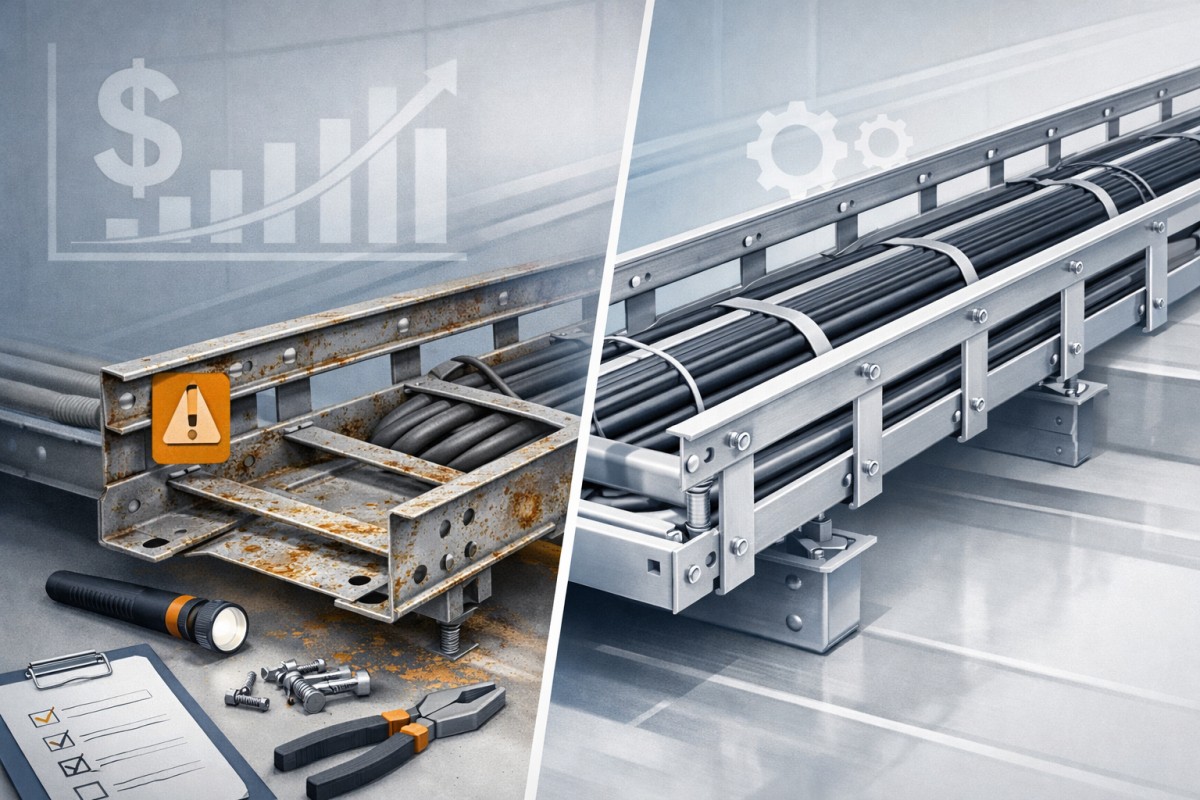
Figure 1. Comparison between low-cost cable tray purchasing and long-term ownership value, highlighting how hidden maintenance and replacement costs can outweigh initial savings.
In competitive bidding, cable tray selection is often reduced to a simple comparison of unit price. At first glance, that seems reasonable. If two products appear similar on paper, the lower price looks like the safer commercial decision.
But cable tray value is rarely defined by purchase price alone. Over the life of a project, installation effort, maintenance demand, corrosion resistance, structural reliability, modification flexibility, and replacement risk can all have a greater impact on total cost than the initial material price.
This is why the cheapest cable tray on day one is not always the lowest-cost cable tray over the years that follow.
Upfront Savings Can Disappear During Installation
Lower-cost cable trays often create problems earlier than buyers expect. The first hidden cost may appear before the project is even commissioned.
When tray dimensions are inconsistent, installers spend more time adjusting joints, forcing alignment, correcting support positions, or dealing with accessories that do not fit as expected. When surface finish is rough or edges are poorly controlled, cable pulling and cable laying become slower and more difficult. When accessories are missing, incompatible, or poorly matched, installation delays can spread beyond the tray package itself.
In this stage, the issue is not whether the tray was cheap to buy. The issue is whether it remains cheap after the contractor has spent more time making it workable.
Early Corrosion Creates Early Uncertainty
One of the most common hidden costs of low-grade cable tray systems is not immediate failure, but early uncertainty.
When visible corrosion appears at connection points, cut edges, bolt holes, or damaged coating areas, facility teams are forced into a new question: is the tray still acceptable, or is it beginning to lose structural reliability? Even when the answer is monitor it for now, that decision still consumes engineering time, inspection effort, and maintenance budget.
In many cases, the first hidden cost is not repair. It is the cost of investigation, assessment, and ongoing concern.
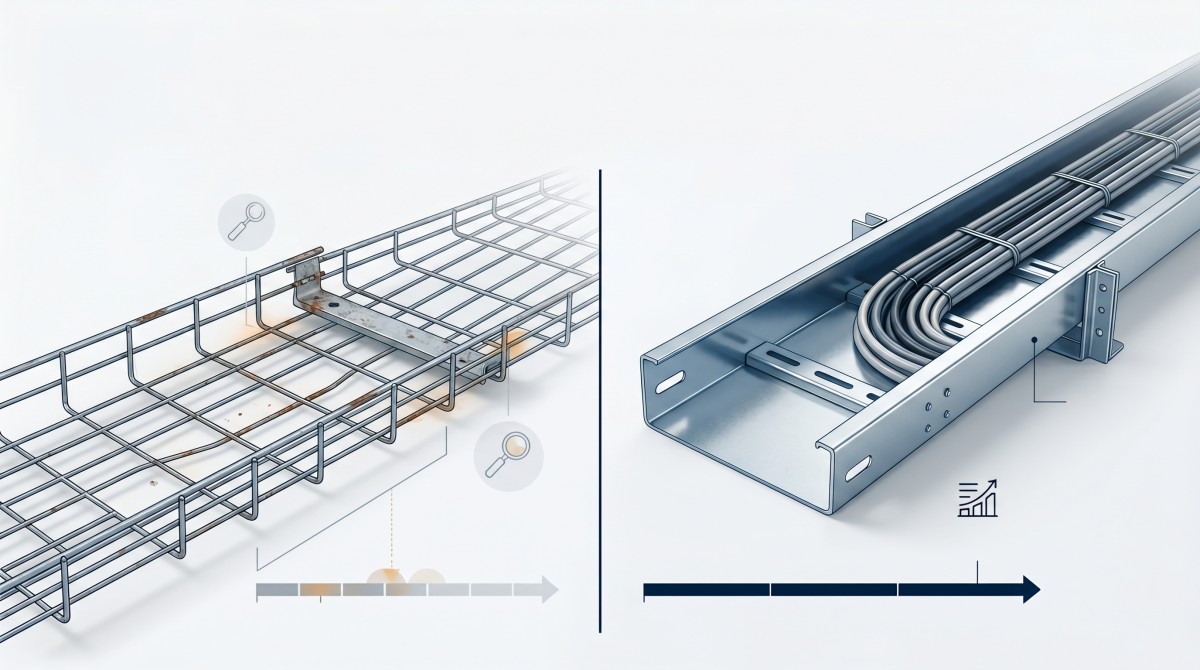
Figure 2. Long-term value depends on durability, finish quality, and system reliability rather than purchase price alone.
Maintenance Costs Build Gradually
Lower-cost cable trays often become more expensive as the years go by because they require more attention.
Surface treatment repairs, recoating work, isolated section replacement, additional supports for sagging areas, joint tightening, splice correction, and repeated inspection all consume labor. These activities are especially expensive when the tray system is installed overhead, in active facilities, or in difficult-to-access service areas.
At this stage, the problem is not a single dramatic event. It is the steady accumulation of maintenance tasks that would have been less frequent with a better-quality system.
Structural Problems Rarely Stay Isolated
Another hidden cost of cheap tray systems is that one weakness often triggers another.
A tray with poor stiffness may require additional supports. A tray with poor coating consistency may need corrosion treatment at connection points. A tray with weak splice performance may need repeated joint inspection and correction. A tray with poor manufacturing consistency may cause installation misalignment that affects long-term performance.
In other words, cheap tray systems do not usually fail in only one category. Their weaknesses often multiply across installation, maintenance, and reliability.
Replacement Is Where the Real Cost Appears
The largest hidden cost usually appears only when replacement becomes necessary.
Once a tray system reaches the point where repair is no longer practical, the project is no longer paying for tray only. It is paying for dismantling, temporary cable support, rerouting, disposal, new material delivery, reinstallation, testing, and in some cases restricted operation or shutdown planning.
At that moment, the original purchase saving becomes almost irrelevant. What looked economical at procurement stage may become the most expensive choice over the life of the installation.
Why Ownership Cost Matters More Than Unit Price
A more useful way to evaluate cable tray value is to ask different questions.
Instead of asking only what is the lowest material price, the buyer should also ask:
- How easy is the system to install correctly
- How reliable is the coating or material in the real project environment
- How consistent is the manufacturing quality
- How often is maintenance likely to be needed
- How difficult would replacement be if the system underperforms
- What warranty and documentation support does the supplier provide
These are the questions that better reflect ownership cost rather than invoice cost.
How to Evaluate True Cable Tray Value
When comparing suppliers, it is better to assess cable tray systems through a wider lens.
- material traceability and coating documentation
- dimensional consistency and accessory compatibility
- edge quality and finish control
- structural performance and load data
- warranty clarity
- supplier track record in similar environments
- the likely maintenance burden over time
A higher-quality tray system may not always have the lowest unit price, but it is often the option that creates fewer downstream problems and lower lifetime disruption.
The Real Procurement Lesson
The real mistake in cable tray procurement is not choosing a lower-priced product. The real mistake is assuming that lower price and lower cost are the same thing.
In projects where tray systems are expected to remain in service for many years, procurement teams should think beyond the purchase order. Installation labor, corrosion performance, maintenance effort, repair exposure, and replacement risk all belong in the decision. That is where the true cost difference appears.
Conclusion
Cheap cable trays often look economical at the time of purchase, but the hidden costs can emerge across every later stage of ownership. Installation inefficiency, early corrosion, repeated maintenance, structural correction, and eventual replacement can all erode the original saving.
The better procurement decision is not always the cheapest product on the quotation sheet. It is the tray system that performs reliably, installs cleanly, and demands less attention over its service life.
Looking for cable tray systems built for long-term value rather than short-term price? Contact our team for product details, documentation, and project-specific recommendations.
Navigation
Send Us A Message
Get in touch with us
Phone