
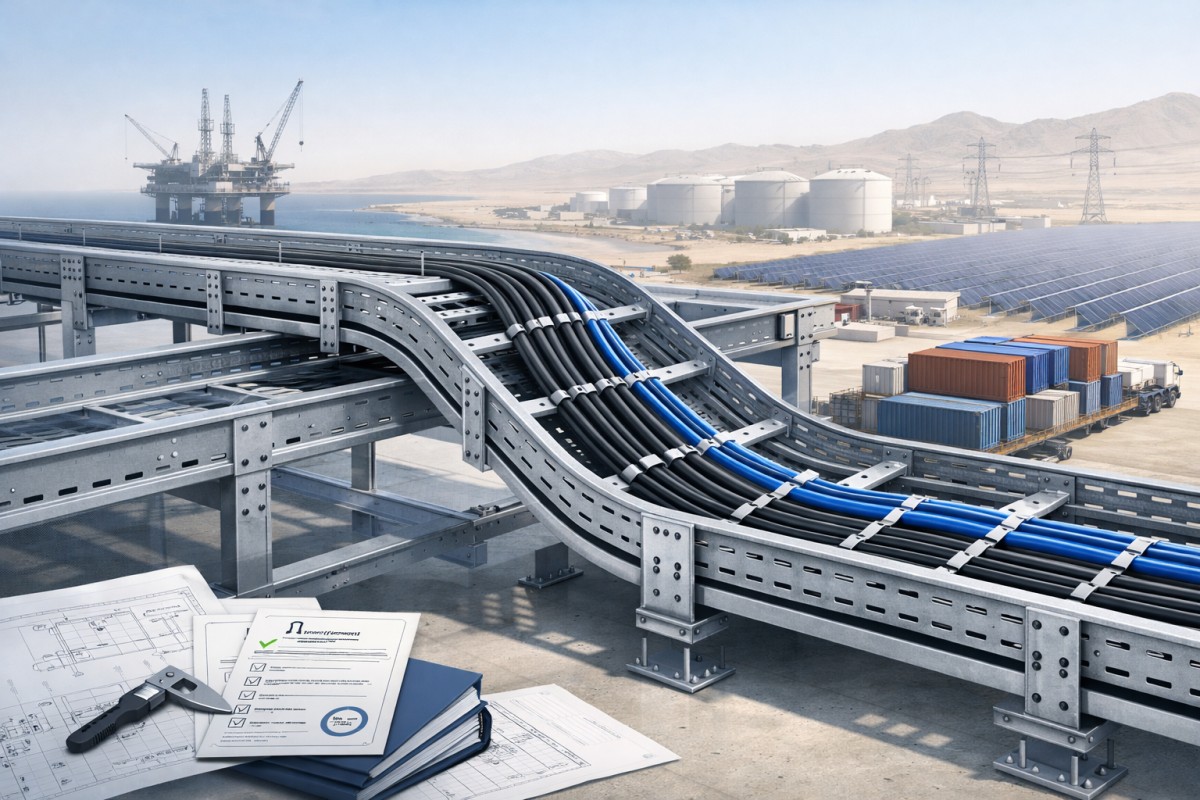
Figure 1. GCC project context for cable tray supply, highlighting harsh-environment performance, logistics readiness, and large-scale infrastructure demand.
The Gulf Cooperation Council region remains one of the world’s most active markets for large-scale infrastructure, industrial, and energy development. For cable tray suppliers, that creates real opportunity—but it also raises the bar on qualification, documentation, delivery capability, and technical support.
In the GCC market, suppliers are not only judged on product availability. They are also judged on how well they can support demanding project environments, formal vendor review processes, and large-scale execution requirements across multiple sectors.
Why the GCC Market Matters
What makes the GCC market important is not only the size of individual projects, but also the range of sectors moving at the same time. Industrial cities, energy developments, rail infrastructure, logistics corridors, and digital infrastructure all create demand for cable support systems.
That means suppliers are not competing for a single isolated project category. They are competing for a place in a wider regional buildout that can generate repeat business across multiple sectors.
Qualification Comes Before Quotation
One of the most important realities of the GCC market is that price alone does not get a supplier to the tender stage. Major owners, operators, and EPC-led projects commonly rely on formal supplier registration, review, and qualification processes.
For cable tray suppliers, this means a project opportunity often begins long before a quotation request appears. If the supplier is not already qualified, documented, and recognizable to the client or EPC ecosystem, the real competition may be over before the commercial conversation starts.
What GCC Projects Expect from Cable Tray Suppliers
The GCC market places a strong premium on reliability and fit-for-environment performance. Suppliers are expected to understand outdoor exposure, coastal corrosion risk, industrial atmospheres, and long service-life expectations. In practical terms, buyers want confidence that the selected tray system, finish, accessories, and support strategy match the real operating environment rather than a generic export specification.
Documentation matters just as much. Project teams commonly expect product data, material details, test records, and certification packages to be organized and ready for review. In large regional projects, suppliers that respond quickly with complete and well-structured documentation are often easier to trust than those who only provide basic catalog information.
Logistics readiness is also critical. Gulf projects often move on demanding schedules, and procurement teams want suppliers that can demonstrate not only manufacturing capability, but also practical delivery planning, packaging discipline, and regional supply support.

Figure 2. Supplier readiness in practice includes engineering support, documentation discipline, and project-specific coordination for GCC applications.
Technical Support Is a Competitive Advantage
Another major theme in the GCC market is the expectation that suppliers act as technical partners rather than simple material vendors. This is especially important in industrial, utility, transport, and energy projects where tray routing, support spacing, corrosion resistance, fire performance, and installation details may all come under review.
In this environment, the stronger suppliers are usually the ones that can support:
- project-specific product selection
- load and support coordination
- submittal and certification packages
- drawing or model coordination
- installation guidance and after-sales support
That does not mean every project requires advanced engineering services from day one. It does mean that the market increasingly favors suppliers who can support the project team with more than a price list.
Where Demand Is Concentrated
Oil, gas, petrochemical, logistics, rail, utilities, and industrial development remain central demand drivers across the GCC. Saudi giga-projects attract the headlines, but the wider regional picture also includes UAE rail and logistics development, major LNG and industrial activity in Qatar, and growing hydrogen and energy infrastructure activity in Oman.
These sectors all create pathway demand for electrical infrastructure, including cable tray systems. The result is that cable tray demand in the Gulf is not tied to a single project story. It is tied to a broader regional pattern of infrastructure delivery.
How Suppliers Can Position for GCC Success
For cable tray suppliers targeting the Middle East, several priorities stand out:
- begin qualification and registration work early
- strengthen documentation discipline
- demonstrate regional delivery readiness
- position technical support as part of the offer
- show that the selected product is suitable for Gulf operating conditions
In a market where qualification and trust matter, preparation often creates competitive advantage long before the commercial bid is issued.
Conclusion
The GCC opportunity is real, but it is not an easy market for unprepared suppliers. The region’s mega-projects, industrial expansions, and infrastructure programs reward suppliers that are organized, technically credible, and ready to meet formal qualification requirements.
For cable tray manufacturers, the question is no longer simply whether there is demand in the Middle East. The demand is there. The better question is whether the supplier is ready for the level of scrutiny, documentation, and delivery performance that GCC projects now expect.
Looking to support GCC projects with cable tray systems? Contact our team for product documentation, project support, and region-specific supply coordination.
Navigation
Send Us A Message
Get in touch with us
Phone